Today, almost 600 million people are still living without electricity across sub-Saharan Africa. Without much faster progress, hundreds of millions could still be without it by 2030.
Access to clean, safe energy is something I have seen the importance of throughout my life. As a child, my family relied on kerosene lamps to light our home. That’s why I know first-hand, the value of accessing electricity. It means clean light without smoke and pollution. It means lighting our homes without the risk of a house fire. It means being able to move around your home safely at night, or seeing and protecting yourself from threats in your environment.
Yet for millions of people living in rural, sub-Saharan Africa, vital access to reliable energy remains out of reach. These are the people most likely to be left behind when existing energy systems and traditional market forces fail to reach them.
But it doesn’t have to be this way.
Our work in Malawi has shown me that universal energy access isn’t something we have to wait for. It is possible now.
Locally-led action is key to change
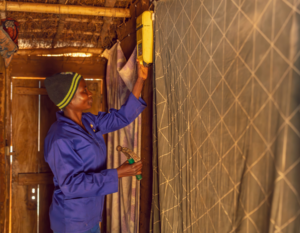
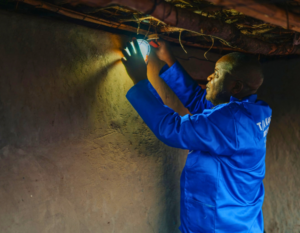
Photo: SolarAid/ Kondwani Jere. Ethel Bottomani installs a solar home system.
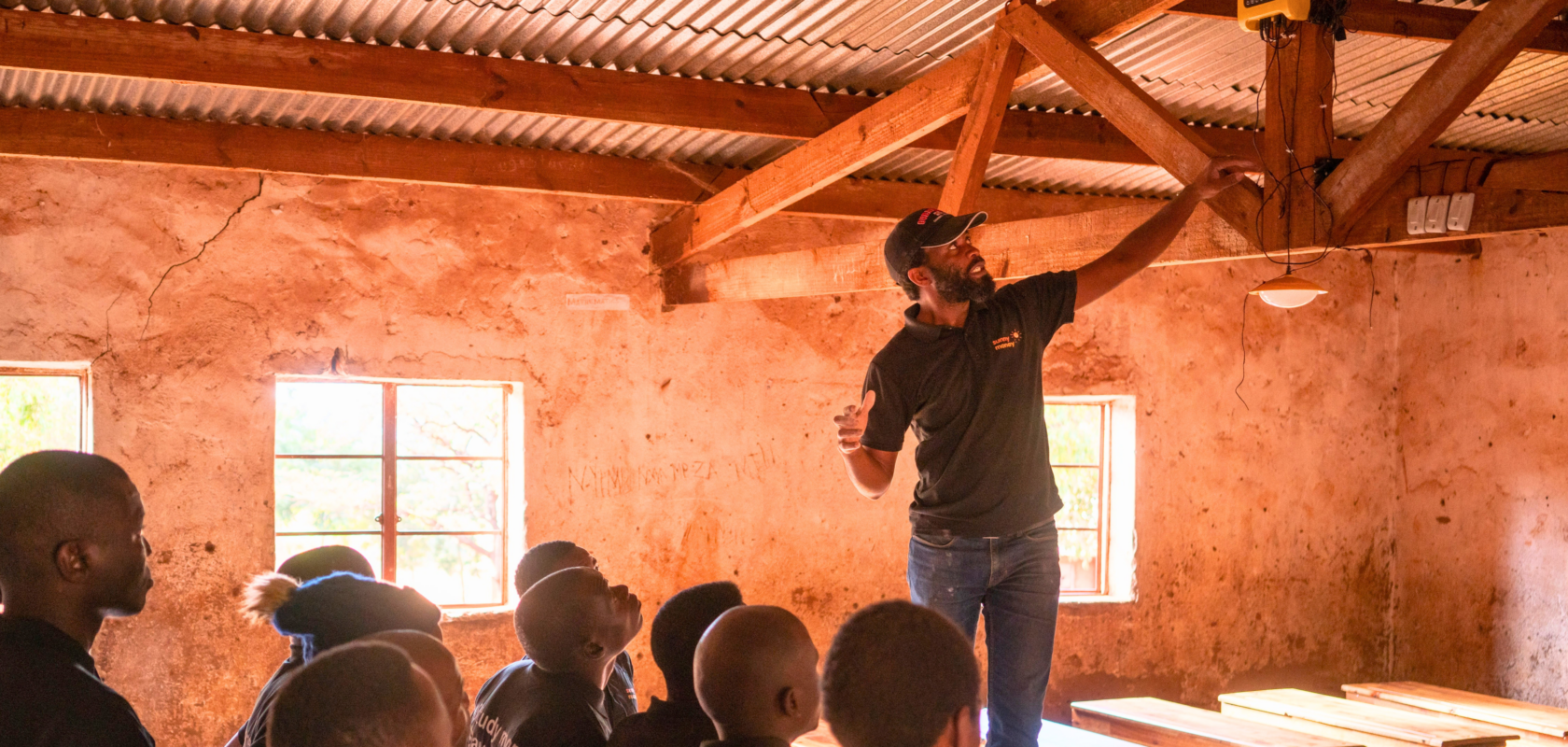
August 2025 marked a significant moment for Traditional Authority Kasakula, a remote community in Malawi. Through our Energy-as-a-Service pilot, co-developed with REAL Programme Catalyst, a solar home system was installed on the last of 8,813 homes, connecting the final household in the community to power for the first time.
Reaching 100% energy access in Kasakula was not straightforward. It required more than simply bringing a technology to a community. It needed a model shaped around the realities of the people it was intended to serve – and meaningful involvement from the community itself.
This is why locally-led action is so important to achieving sustainable energy access. When solutions are designed with communities, rather than simply for them, local people can play an integral role in how those solutions are delivered, managed and sustained over the long term. Local knowledge, relationships and ownership can be critical to making an approach work in places that are often difficult to reach.
The experience in Kasakula also highlights a wider challenge.
The communities furthest from energy access are often also the furthest from traditional market forces. They may be remote, dispersed or difficult to reach, creating barriers that go beyond whether an individual household can afford a solar light or home system. If we rely on the market alone, those communities will continue to be underserved.
Universal access therefore requires deliberate action. Those with the power, resources and influence to shape energy systems need to make choices that prioritise the people who are least likely to benefit from those systems without additional support.
Reaching the last-mile communities
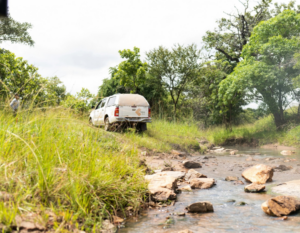
Kasakula is proof that reaching 100% energy access in a remote, last-mile community is possible. We have demonstrated that it can be done – not as an idea or an aspiration, but in practice. The resources to make universal energy access possible already exist. What is needed now is the ambition, commitment and leadership to use them effectively.
So, to those who believe universal energy access is unachievable or simply too expensive, perhaps the question we should be asking is a different one: what is stopping us from doing more of what we already know is possible?
Too often, we can become constrained by what we have previously considered realistic or achievable. But if we are serious about universal energy access, we need to challenge those assumptions. We need to be willing to think beyond the limits we have set ourselves and, crucially, to choose to act.
Kasakula is living proof of what that choice can achieve. The challenge now is to take what we have learned and apply it in many more communities, so that reaching the last mile becomes not the exception, but the expectation.
What’s next?
Connecting 8,813 households across Traditional Authority Kasakula is an important milestone. The next step is to demonstrate that this model can scale – first to 25,000 households, and then to 100,000 connections across Nchisi District.
We will work closely with the Malawi Government through the Malawi Rural Electrification Programme to co-design a model that supports the country’s rural electrification strategy. Our focus will be communities where the grid is not expected to reach people for 10, 15 or even 20 years – bringing immediate access through plug-and-play solar home systems.
We will also work with development partners, including the World Bank and UNDP, who share our ambition of achieving universal energy access across Sub-Saharan Africa.
Kasakula has shown what is possible. Now, together, we can take what we have learned and bring energy access to many more communities across Malawi – and ultimately beyond.
One year on from Kasakula
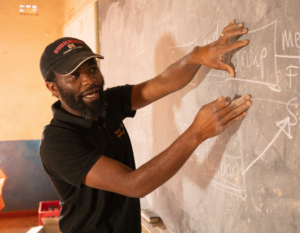
What makes the achievement in Kasakula particularly meaningful is not just what we achieved, but how we achieved it. We did not do it alone.
It began with supporters who believed in the vision – and gave us the space and permission to try, learn and fail. The Malawi Government shared that belief and created an environment that enabled us to act. Working in partnership with REAL Programme Catalyst, we were able to turn an ambitious idea into reality.
Most importantly, the community was at the centre of the process. People were involved in shaping and accepting the model, and committed to its ongoing operation and sustainability. Five years on, the programme continues to grow from strength to strength.
When that last solar home system was installed on 25 August 2025, it was an incredibly proud moment for everyone involved.
Because Kasakula showed us something important: we can do this today. We can change lives today. We can bring people from darkness to light today – not tomorrow.