How Reliable Solar and Energy-as-a-Service Are Transforming Rural Healthcare
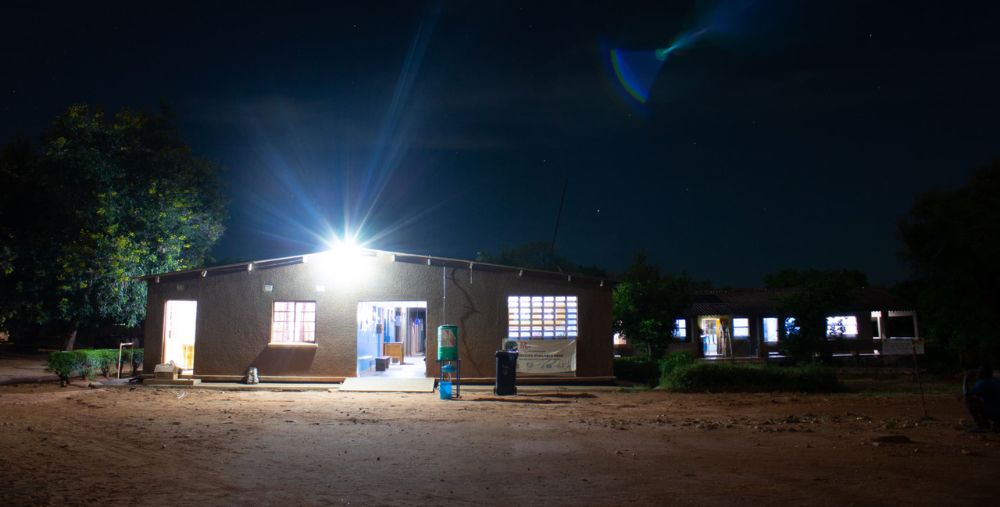
Hofmeyr Zonal Rural Health Centre in Nyimba District, Eastern Province, Zambia, brightly lit at night, showcasing reliable solar-powered lighting against a dark rural backdrop.
A health system is only as strong as the infrastructure it rests on, and in many rural settings, the missing link is energy.
The World Health Organization (WHO) estimates that nearly 1 billion people globally, are served in healthcare facilities with unreliable or no electricity at all. In sub-Saharan Africa alone, approximately 15% of health-care facilities are said to have no access to electricity.
These are not just statistics; they are lived experiences and reality of midwives, nurses, and patients every day. Without electricity, basic procedures like wound suturing, administering of IV fluids, or even storing vaccines become nearly impossible.
A year ago, this was the reality at Hofmeyr Zonal Rural Health Centre in Nyimba District, Eastern province, Zambia; expectant mothers once delivered babies under the glow of a mobile phone torch, and night-time emergencies were delayed, referred to a higher health care facility or dangerously improvised.
This reality has now changed, thanks to the solar installation and provision of an oxygen concentrator done by SolarAid in March 2024, under the Energy-as-a-Service (EaaS) model. Since the solar installation, Hofmeyr Clinic has recorded a 25% increase in outpatient visits and a 7% rise in deliveries. These are more than numbers, they represent lives saved and dignity restored.
“We’re now able to resuscitate asphyxiated infants and attend to wounds even in the middle of the night,” shares Clinical Officer-in-Charge, Jonathan Mbewe.
Josephine Ngulube, Midwife at Hofmeyr Clinic adds that “Before the installation of the solar system, we would resort to using phones to be able to see and conduct deliveries at night. But now, we have enough lighting and are able to attend to expectant mothers without much difficulty at night.”
One may ask; what is Energy-as-a-Service (EaaS) really and how does it work when it comes to powering healthcare?
Rather than simply donating equipment, the EaaS approach supports long-term performance and servicing. Under this model, SolarAid’s social enterprise, SunnyMoney, installs the system, owns it and maintains responsibility for ongoing system health, ensuring quick responses to faults, and regular preventive maintenance, whereas the clinic pays a small maintenance fee every month.
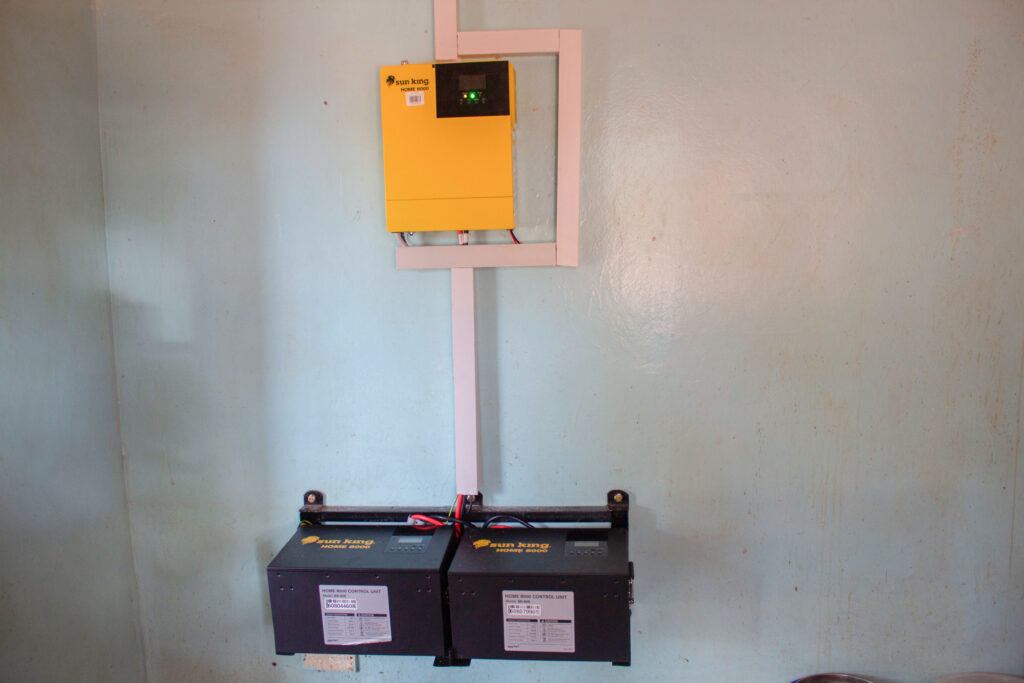
A mounted solar power system featuring a yellow Sun King inverter and two black battery control units fixed to a light blue wall, neatly connected by concealed wiring.
These systems and approaches aren’t just a technical fix, they’re a strategic rethink. They acknowledge that sustainable energy access requires planning, funding, and follow-through. It’s about seeing power not just as a one-off intervention, but as a core part of delivering key health outcomes.
And the human stories speak volumes. A mother, Lenia Tembo reflects, “before the lights came, the nurses would use phone torches to help us deliver. This time, I delivered in a room full of light.”

Lenia Tembo, a mother from Nyimba District, sits with her baby, recalling how reliable lighting transformed her childbirth experience.
This model ensures that her story isn’t an exception. It’s a glimpse into the kind of transformation that’s possible, and replicable.
As we strive to strengthen primary healthcare at the last mile, reliable electricity for lighting and other key uses cannot be optional. It’s the silent partner in every successful delivery, emergency, and confident diagnosis.
Because without light, health remains in the dark.