Energy-as-a-Service – reaching the most remote communities
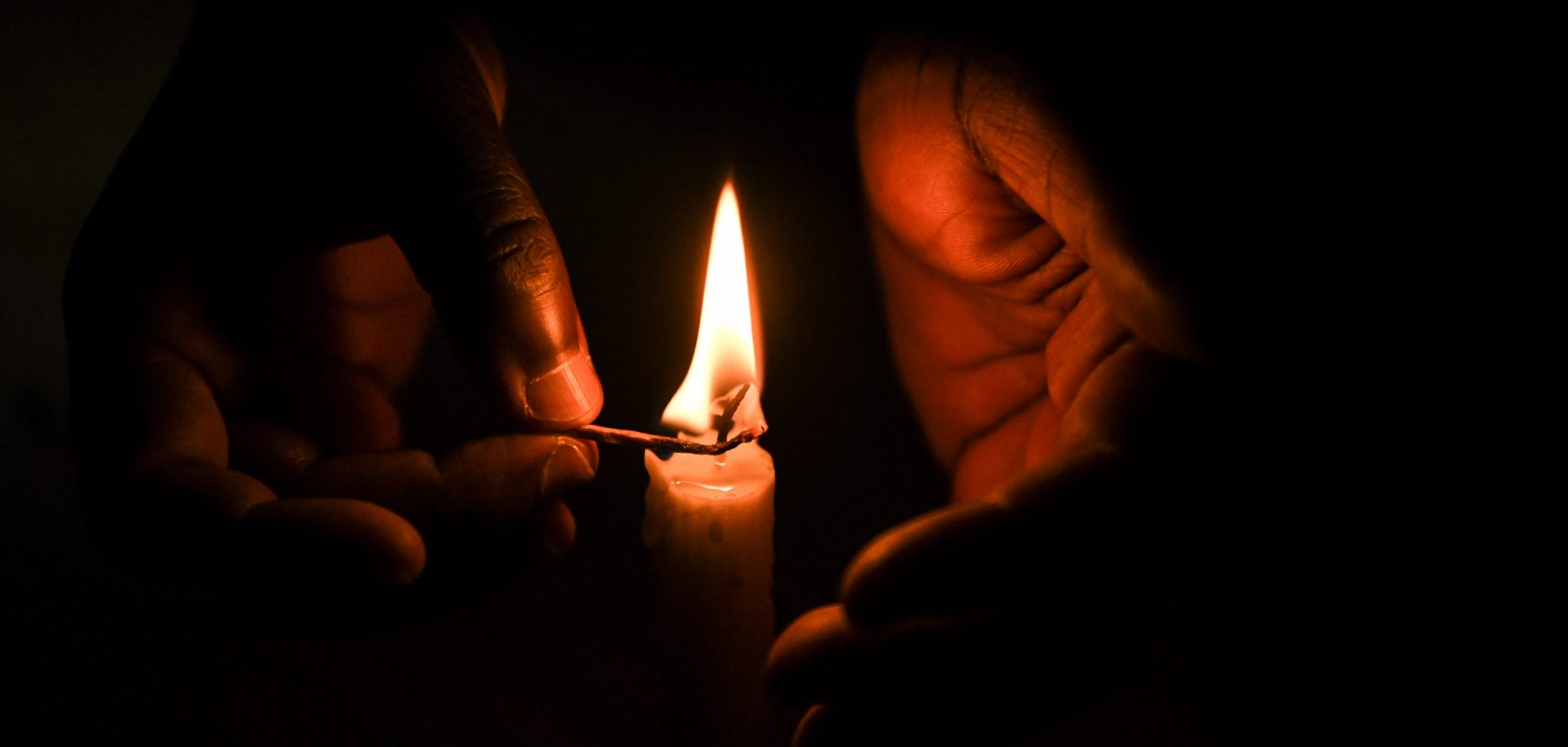
Almost 600 million people in sub-Saharan Africa lack access to electricity. When the sun sets, families are forced to turn to dangerous alternatives such as homemade torches, candles and kerosene lamps. These options aren’t only expensive, but they are also damaging health, impairing education, and emitting carbon into the atmosphere. There is an urgent need for innovative solutions which put energy access for the poorest and most remote communities at the forefront. With the aim to fast‑track progress towards achieving 100% sustained energy access for these communities, SolarAid in partnership with REAL Programme Catalyst has developed an Energy‑as‑a‑Service (EaaS) model designed to enable everyone to gain access to solar light and power.
How does it work – Energy-as-a-Service
Instead of having to buy a solar system upfront, families simply pay for the energy they use, at a cost similar to what they already spend on candles or kerosene. This means they can access reliable, solar-powered light and electricity straight away, without the burden of high upfront costs.
This innovation aims to create community transformation through providing each household, as well as schools in a village with a solar home system. Local Customer Service Representatives (CSRs) are then trained to install and repair the solar home systems, creating long-term, sustainable income.
SolarAid and its REAL Programme Catalyst are already delivering this programme across several countries in sub-Saharan Africa, bringing us closer to a future where everyone has access to clean, reliable energy.
Case Study: Light a Village – Kasakula, Malawi
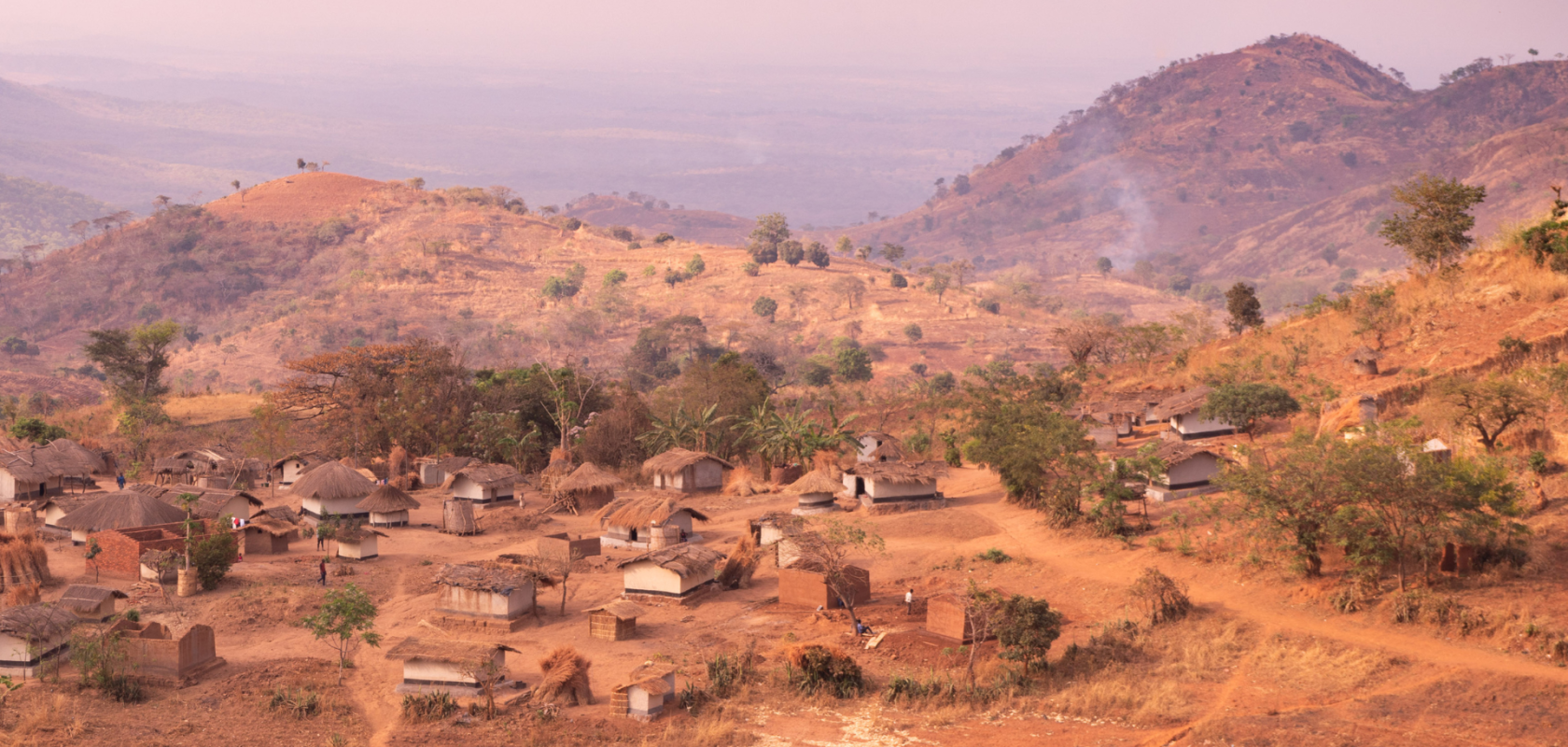
SolarAid launched its first Energy-as-a-Service pilot, Light a Village in Kasakula TA, Ntchisi District in Malawi where 97% of customers live in extreme poverty, with 0% grid access.
Together with REAL Programme Catalyst, this community has now gained 100% access to clean, safe solar power – that means 8,813 households, all 12 schools and the local health clinic.
Light a Village pilot has been funded by a combination of donations from ten generous donors matched by the Turner Kirk Trust.
Case Study: Trialling Energy-as-a-Service in Namanongo, Zambia (2026)
After proving what’s possible in Kasakula, Malawi, SolarAid, in Partnership with REAL Programme Catalyst is now beginning the next phase of this work in Namanongo, a remote community in Zambia made up of 33 villages where many families still live without reliable electricity.
Homes in Namanongo are spread far apart, roads can be difficult to travel, and many schools and clinics still rely on candles, torches or small battery lights after dark. Reaching every household here will be a major challenge – but it’s exactly the kind of place this model was designed for.
Using what we learned in Malawi, we are now working with local communities in Namanongo to begin installing Solar Home Systems and testing how Energy-as-a-Service can help families access safe, reliable solar power without the high upfront cost of buying a full system themselves.
This is still an early-stage pilot, but the goal is clear: to explore whether reliable solar energy can reach even the hardest-to-reach communities – helping power homes, schools and clinics across Namanongo.
This work is supported by the Embassy of Ireland, whose funding is helping SolarAid test whether reliable solar energy can reach even the hardest-to-reach communities.
You can support the Namanongo project and help bring safe, reliable solar power to more remote communities across Zambia.